

Why Am I Always Bloated After Eating?
On this page
You are not alone in this
Bloating is one of the most common digestive complaints there is. Many people notice abdominal fullness after meals and assume something serious is wrong. In reality, bloating usually comes down to eating habits, constipation, stress, food intolerances, or a digestive condition like IBS.
Finding the root cause is the first step toward relief, and the good news is that most cases respond well to simple dietary and lifestyle changes.
What exactly is bloating?
Bloating is a feeling of fullness, tightness, or swelling in the abdomen. It often happens when excess gas builds up in the stomach or intestines, or when digestion slows down. Your belly may look or feel distended, or you may notice cramping and discomfort after meals.
It helps to tell the difference between ordinary gas related bloating and bloating caused by an underlying condition. Most people experience it now and then, but frequent bloating is worth looking into further.
What causes bloating?
Bloating rarely comes from a single cause. Most of the time it is a mix of factors, some within your control and some that need medical attention.
Foods that can worsen symptoms
Some foods are more likely to cause gas and bloating, especially those high in fermentable carbohydrates known as FODMAPs, sugar alcohols, or fibre that is harder to digest.
This does not mean these foods need to be cut out for good. Portion size and food combinations matter far more than eliminating any single food.
What to eat instead
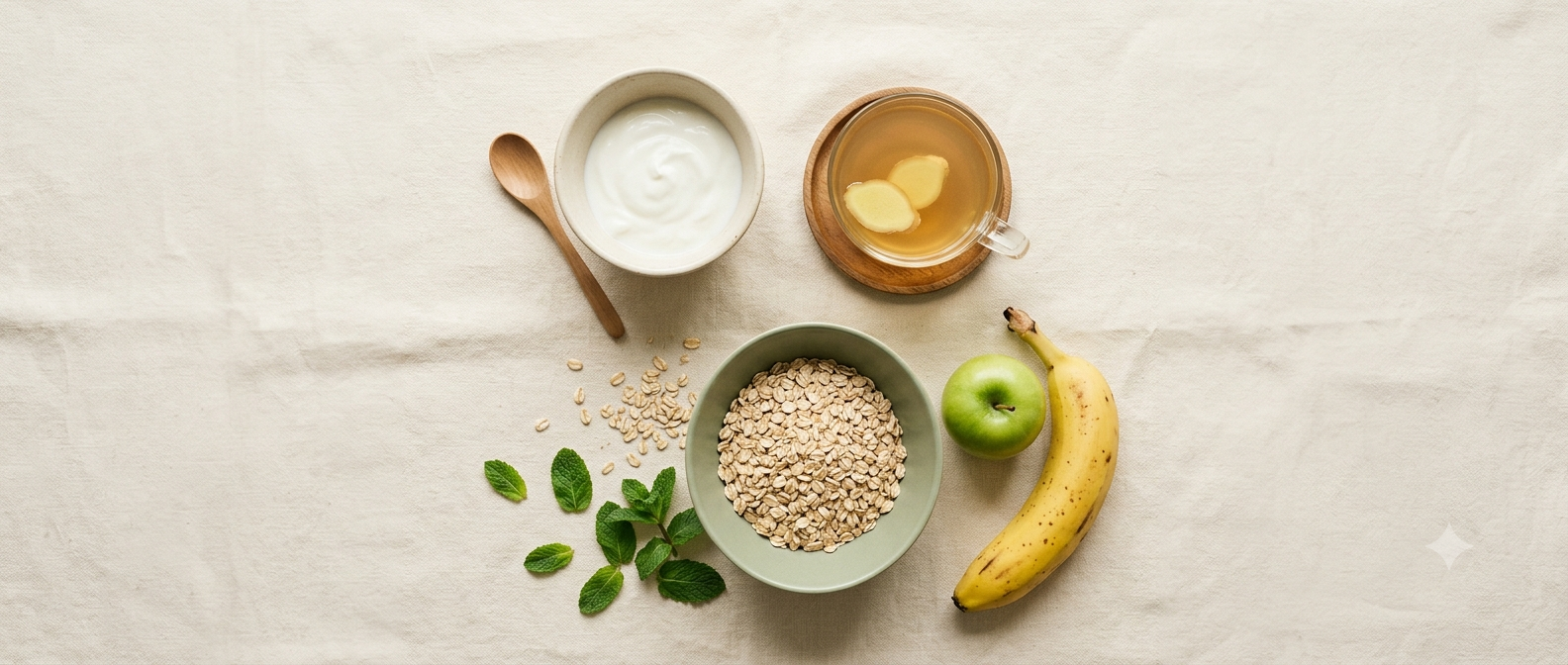
Certain foods support gut health, ease inflammation, and reduce digestive discomfort. Adding these regularly can make a real difference.
Red flags to watch for
Most bloating is harmless and manageable at home. Certain symptoms alongside bloating, though, should never be ignored.
- Blood in stool
- Persistent vomiting
- Unexplained weight loss
- Severe abdominal pain
- Signs of anaemia, such as fatigue or pale skin
Common questions answered
Can stress cause bloating?
Yes. The gut and brain are closely connected through the gut brain axis. Stress can slow or speed up gut motility, the rate at which food moves through your digestive system, and this can worsen bloating, cramping, and irregular bowel habits.
Is yogurt good for bloating?
For many people, yes. Yogurt contains probiotics that support gut health. If you are lactose intolerant, though, dairy yogurt can make bloating worse. Lactose free or plant based yogurt is usually a better option in that case.
Can I drink tea for bloating?
Yes. Ginger tea and peppermint tea can ease bloating for some people. Ginger has mild anti inflammatory properties, and peppermint can relax the muscles of the digestive tract. Skip strong or caffeinated teas if your gut is already sensitive.
How quickly can diet changes reduce bloating?
Some people feel better within a few days of eating more slowly, cutting carbonated drinks, and drinking more water. Bloating linked to a bigger cause, like IBS or lactose intolerance, usually needs a few consistent weeks before you see a real difference.
The bottom line
Bloating is common, manageable, and in most cases preventable with the right habits. Here is what to remember.
- ✓Eat slowly and chew food thoroughly
- ✓Drink enough water throughout the day
- ✓Increase dietary fibre gradually, not all at once
- ✓Stay active, even a short walk after meals helps
- ✓Manage stress through rest, movement, and routine
- ✓Seek medical advice if symptoms persist or worsen
This article is for general information only and is not medical advice. Always consult your physician for diagnosis and treatment.
Found this helpful?
Tap to like the article. It helps more people find evidence based nutrition they can trust.
Helping people build steady habits through science based nutrition and realistic desi meals. Momina works with metabolic health, liver conditions, weight management, and practical Pakistani meal planning.
🌿 Online consultations available